
I must have been overly enthusiastic the day I decided to launch a weekly newsletter. I am now 7 months into writing it without a single break. What began as a way to quietly share my art turned into something else entirely: a weekly practice that kept me grounded, reflective, and consistent even when creativity stalled.
I suppose that’s the gift the weekly newsletter gave me – it kept my hand moving, and the writing kept flowing. On days when I did not want to write, I wrote. On days when I had nothing to say, well, I learned there is no such thing. At least one thing in the week sparked an idea for my newsletter.
If you’re reading this wondering if you should start a weekly newsletter, I encourage you to think really hard about your motivations for doing so. Hopefully this blog post will clear up the rest.
Why I started a weekly newsletter
It was a quiet summer day when I was out on the terrace making one of my paintings. There was so much art on the table in front of me. Art that I made in a splurge of enthusiasm for a small art course.
It also so happened that I discovered Substack through a friend. I put the two things in front of me together, and decided that I wanted to start a weekly newsletter to share about my art.
I was on the road to excessive production, and thought pairing my love for writing with showcasing my art was a good idea. I thought my love for art-making will continue well into the future and that I was set up for success because I would continue to create for years to come.
Wrong.
I believed consistency came from momentum. What I didn’t know was that it often comes from friction.

What I expected vs. what actually happened
I wanted to build a small audience and continue sharing the things I made with them. But what actually happened is I only produced artwork for a couple of weeks. Then, my enthusiasm died down a bit and I hit a roadblock.
The roadblock is also known as a creative block, an artist’s worst nightmare. I didn’t let those weeks get me down, and instead, I wrote about it. Interestingly, the newsletters where I was raw and honest about my mood and artistic block, are the newsletters that had the most feedback from my audience.
People relate to you in tough times. We’ve all been there! But something about sharing it in a raw and honest way resonates with likeminded individuals. I’m talking about slow weeks, quiet ones, where nothing gets done. What do you think about? What do you do?
In uncovering this aspect of my creative life, I was able to tap into something new to say every single week.
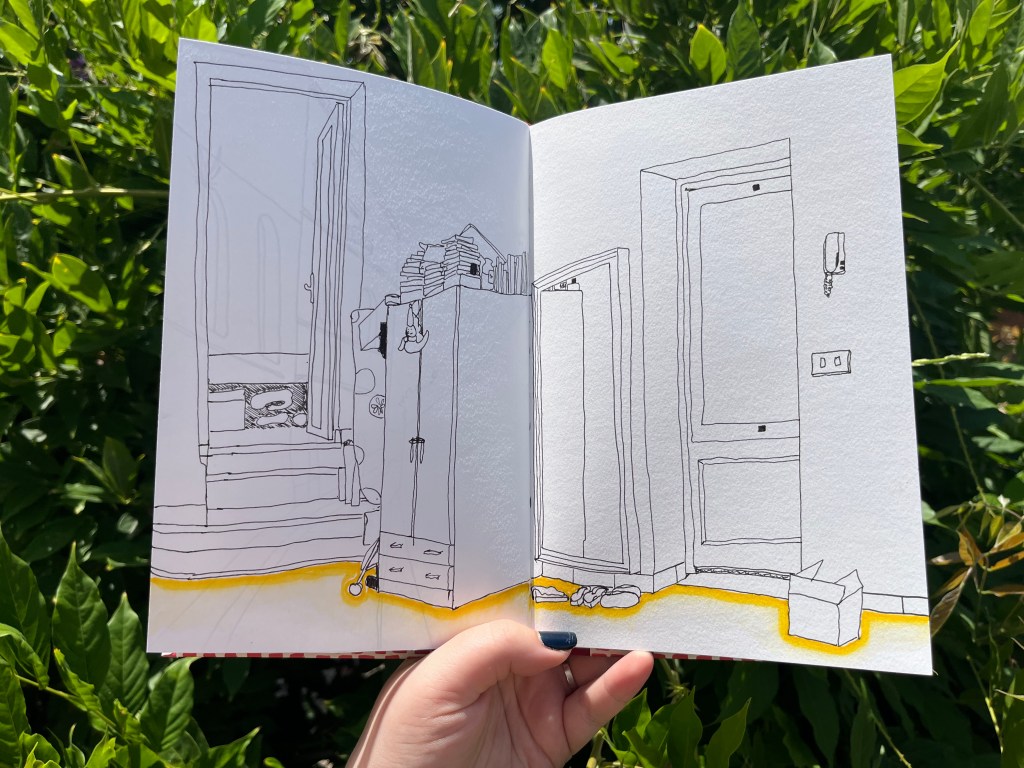
Writing through quiet weeks and creative blocks
As I’ve mentioned, there were weeks when I created absolutely nothing. Not a single artwork, not a single sketch, no pen stroke on page. Making yourself vulnerable by talking about things no one else will – it is uncomfortable and rare. And chances are, your audience will appreciate it.
If you’re curious, you can take a look at the months of work on my newsletter by visiting my Substack page. Subscribe only if you’d like! It’s free.
Those quiet weeks though – they killed me. Creatively speaking, I didn’t think I’d stumble on so many issues. But this element of the unexpected is what made my weekly newsletter worthwhile.
There was a time I had nothing to write about, so I shifted into a “Newsletter takeover” where I showcased my daughter’s art. In her works, there was so much spirit and energy that, even for us adults, they served as a lesson in art.
Another time, I wrote about “Waiting season,” that horrid time in the winter when there’s not much to do and we’re pressured to make something of it. That, too, turned into a story.

When consistency turned into therapy
The wonderful thing about picking up a new habit (as with my weekly newsletter writing), is that after a couple of weeks, it sticks. The thing is, your newsletter need not be a long essay. Danny Gregory, for example, has newsletters that are under 500 words. And I think that’s beautiful.
The most important thing, though, is the message.
What are you trying to say? How are you communicating it? And why should others care?
I questioned this aspect of my writing week in and week out. Of course, having a good editor helps. Someone to bounce ideas off of, someone that can honestly tell you to cut a part of the writing if it doesn’t contribute to the level and quality you hope to achieve.
But when it’s just you behind the screen, writing the first draft, you learn that writing can be rewarding. Writing, as a result, can become therapeutic. The most important thing is the clarity of your message.
I got into the habit of writing every Sunday. And that, too, is a gift I got back from taking on this endeavor of mine. Every Sunday, I’d sit in front of my laptop, forming a routine at the end of my week – one where I’m forced to think and reflect.
The habit gave me a kind of reassurance, a stability. I turned to my screen not for doomscrolling, but for ideas and for a reassuring space to express myself. In itself, it made me much more anchored.
I intend “therapy” here as a way to improve yourself through reflection and processing. That’s exactly what my weekly newsletter gave me.
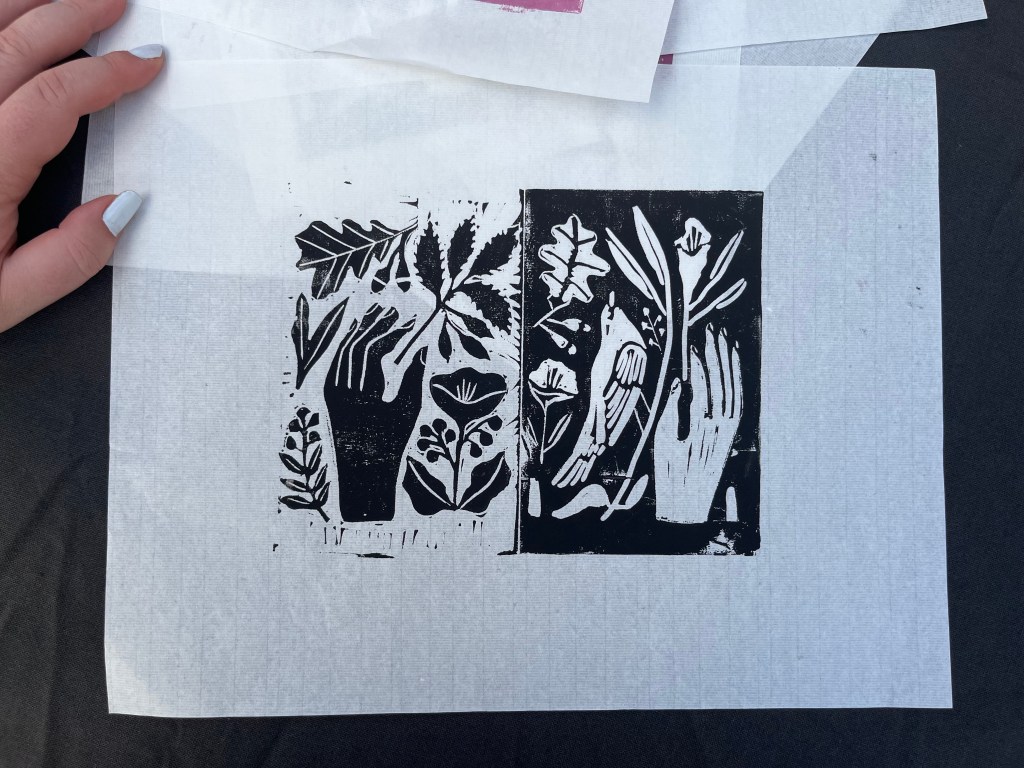
The unexpected emotional weight of consistency
Another thing I’d like to share is that I did feel pressure. There were weeks I felt the pressure to perform and deliver something super valuable to my audience.
That’s the wrong way to go about it. When you write, you’re writing for your readers, yes. But chances are, if you write consistently, you’ll write naturally the things that are innate to you. In this, you will find your own writing style.
I guess what I’m trying to say is to let things unravel naturally. As long as you’re honest about your motivations for writing your newsletter, you’ll be fine.

What weekly reflection gave me
I could reset every weekend. That was the power of reflecting on my weeks, every week, for months. This kind of consistency made me more conscious about how I carry forward with my weeks.
I did not pressure myself to create, but I did ask, “What is one small thing I can do that will make a difference to me this week?” And this kind of lens really helped dictate how I live out my weeks – more purposeful and more fulfilled.
It would be impossible for me to not mention that I recommend you start a newsletter, or take up writing as a habit, even if you don’t publish.
The thing with taking on an online project is that you never know where it leads you next. Keep writing!

The difference between sharing and oversharing
My newsletter, a couple of months in, morphed into being less about my art sharing but rather more about my life in general. And there’s the danger of slipping into this kind of head space where you perhaps overshare.
What helps me is having an editor’s lens (before an editor takes a look at my draft) on my own writing. This newsletter is not your diary. It is not your best friend over the phone. Considering that complete strangers will be reading this is helpful. But more importantly, treat this weekly newsletter as a project.
Any new project you partake in online is a public project. Use your best judgement! That’s as much as I’ll say without being preachy.
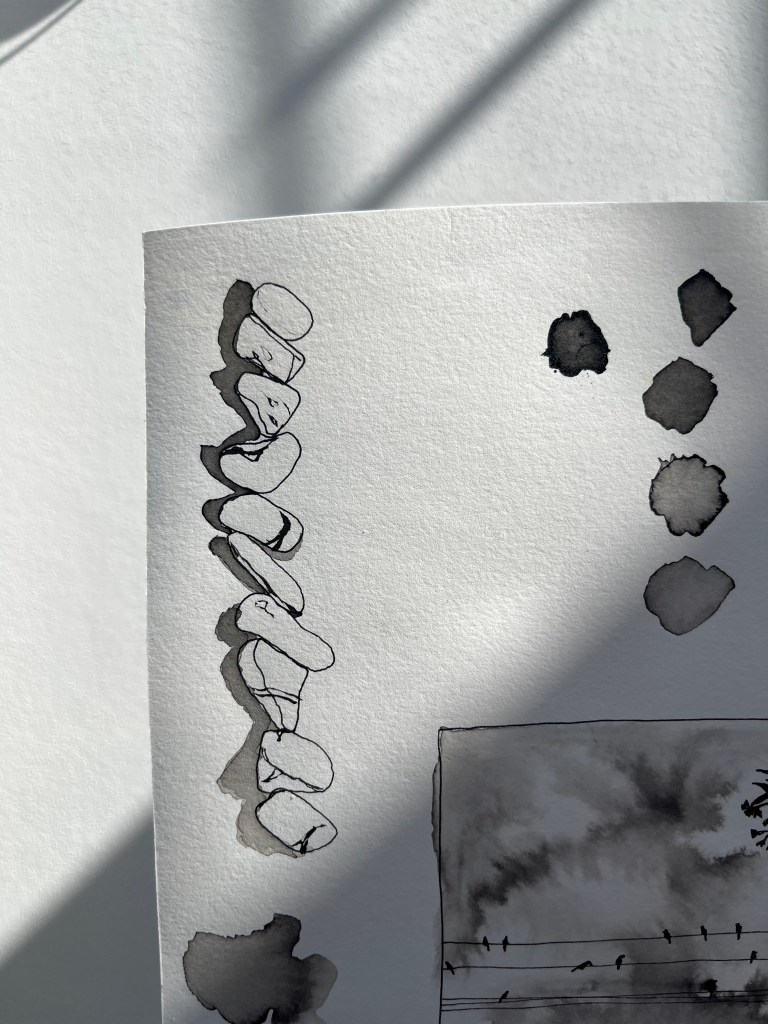
How the practice changed my creativity
I write a lot more now. Not just for my newsletter, but for myself, in my sketchbook. It’s as if having this newsletter let out an endless stream of thought that I want to capture on screen or on paper.
I got into different papers, different inks, different notebooks – all for the sake of writing and writing some more.
As for my creative practice, I won’t lie, sometimes I’m like, “I have to do it for the newsletter,” and I go off sewing. But hear me out! It’s a great thing that the thought of having to reflect at the end of the week nudges me to partake in another artistic activity.
In this way, I think I’ve produced more in the past half a year, and have done so more consistently than in all my previous years. The newsletter didn’t make me better overnight. It made me consistent — and consistency quietly compounds.
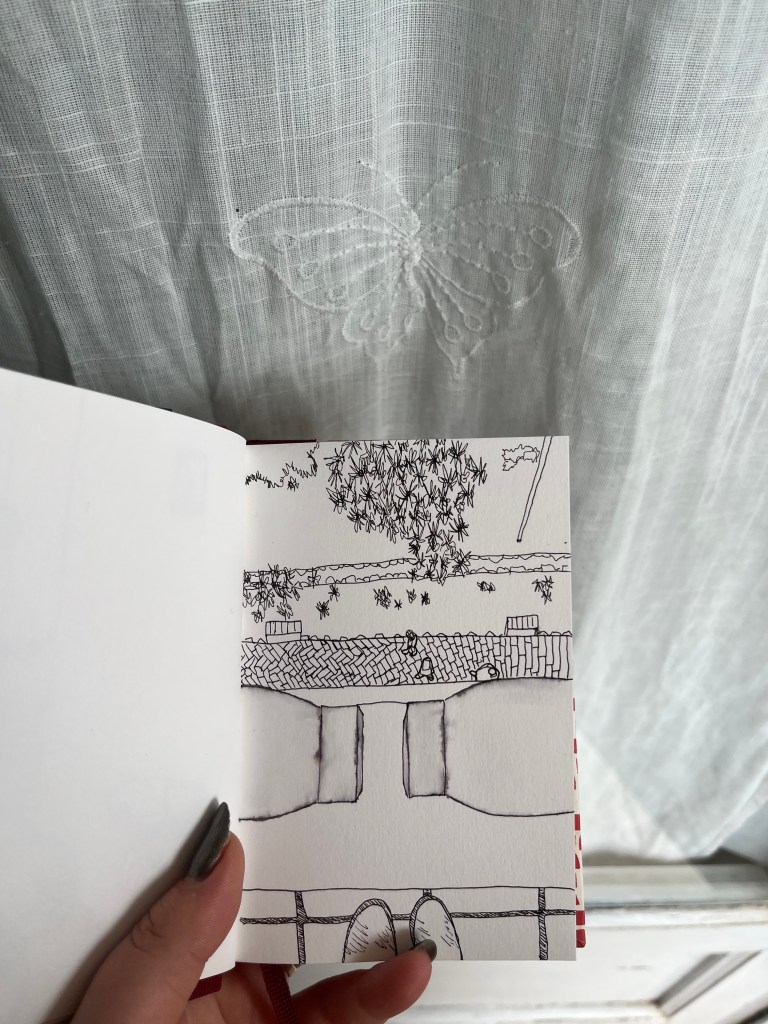
Why I keep writing
I’ve told you that some days, I just don’t want to create or write. But I keep at it. Week in and week out, I show up.
I show up on this screen, and I show up in the private pages of my sketchbook. I keep writing. And I recommend you do, too. Hardly a fascinating topic, but hopefully talking about it from my angle will encourage you to start your own.
My Substack is available here if you ever want to dive in and have a sneak peak at my creative pursuits and weekly life.
Discover more from Art + Copy
Subscribe to get the latest posts sent to your email.
 Art + Copy