
There are thousands and thousands of DIY books on branding. And yes, I have read many of them. Did they give me the knowledge I need to launch a brand? Probably not.
Here’s everything I know about launching a brand, my way.
The alternative title shall be: “Branding in 6 simple steps”.
You have to start with a solid idea. By ‘solid’ I mean, no wishy-washy “would be nice to have this in order to make money”. Although many businesses do start this way, I would argue that you can’t pull out authenticity from this statement or this formation of an idea.
Start with the why and see where it takes you.
My idea was born on a solemn winter night, walking around Anacapri with my husband and sharing a desire to share Capri’s winter treasures with artists. We decided to start an artists residency program that night.
It took us over a year to make the project a reality, but here we are, with a brand new ‘brand’ and website. Introducing: Lost Artists, an artist residency program in Capri.

In many ways, it was a unique combination of our talents that made this idea a reality – you put together a copywriting whiz together with a photography genius and quite remarkable things can happen.
Before I get lost in thought, let’s dive into the 6 steps. I’ll be using Lost Artists as an example.
1. What’s in a name?
How you name your brand will be telling, and telling in more ways than one about what you do, why you do it, and how you do it.
Think long and hard, and brainstorm all the ways your brand can be named because once you solidify it, there’s no going back. The name has to withstand the test of time.
So why did we settle on “Lost Artists”? For one, there is the relatable and emotional appeal. The term “lost” speaks to artists who feel disconnected from their creativity, and are seeking something like our offer.
The name also suggests a journey of self-discovery and transformation, where artists come on a journey with the Lost Artists residency program to find themselves again.
To add some metaphorical depth, it’s a reference to losing oneself to creativity, reflection, and exploration. The name also has some mystique about it, the mystery being our story and purpose.
I’ve given you all the reasons why it’s a good name for a business, to show you that you can argue your way out of almost any name. If you think it’s a good name, and if you feel like it’s the one for you – go for it. Don’t let skeptics sway you away from grabbing an opportunity with a unique name.

One more tip I can give you is that keeping it simple is the way to go with a name. Make it easy on the eyes, and easy to say, and you’re halfway there. If you can throw some intrigue in the mix, all the better.
At the end of the day, you have to feel good about the name.
Next, research to see who else has used or coined the name just to be sure (and safe from copyright infringement).
2. On impactful copy
Writing copy for your website has to have a flow. Put your feelings into it! Some may advise against this, but it all comes down to how convincing you are. In which case, putting your feelings into it may not be such a bad idea.
Again, start with why. Your website copy has to address all the what, where, why, how questions to give a site visitor (or a potential lead) all the key information – quick and easy.
The best place to start is the “About” page. Write short copy about your business idea. Make it snappy when you edit. This has to be about your brand, the name, your purpose.
Move on to the next section. I think your mission statement should be on the homepage (if you ask me). With a mission statement, try to make it 1 sentence that is all-telling and sharp about why you do what you do.
I don’t know what kind of business idea you’re working with, but I had to go with:
1. The first screen copy
Sidenote here: 1 sentence that can capture your lead, short copy that explains what it is i you do + CTA button.
2. About us copy
Sidenote here: Add some numbers to the mix.
3. Mission and explanation about the brand
4. About the mentor
Side note: In our case, we are selling a service but also the knowledge of Davide, a super experienced photographer. This is key info a site visitor would need.
5. Powerful sentence + CTA
6. Subscribe block + footer details
That’s it! Our homepage is short and sharp and that’s how I’d like to keep it. Your landing page copy has to convert, and be a little package a reader opens as they scroll through. The less information you stuff on the homepage, the better. Which brings me to the next point.
How do you know when to create new pages with more copy? Depending on your business, you may want to split up information into logical ‘blocks’ and pages. For me, it was key logical informational blocks of – about the residency, about davide, how to apply, and FAQs.
Don’t ramble on those pages either. Try to keep the design in mind as you’re writing. Keep it about 3 paragraphs per idea. Remember that many will also be viewing your website from mobile, so it’s important to keep the text blocks short.

Lastly, optimize your copy for keywords you want to rank for. You may want to do this at the start of the copywriting process or at the end, depending on how you work best.
Use basic tools to do your research such as SEOsurfer Chrome addon, which gives you an approximate volume for keywords. Another good free tool I use is WordStream.
Focus on 3-5 main keywords and a few secondary keywords for your website copy. This will be important when you build your website, because you’ll have to use the same keywords throughout the SEO settings of your website builder.
3. On impeccable visuals
Images will make or break your website – or so they say. Well I’m here to tell you that if you don’t have impeccable visuals that are also coherent, it will break your website. Or rather, will create a not so pleasant user experience and throw off some of your leads.
You might think it’s a bold statement, and it is, but it is also true. I’m not just talking about high quality images, I’m also talking about how consistent the style is and what is the perceived aesthetic of your website.
All these things are important to keep in mind.
Davide is a photographer who captures winter magic in Capri (IG: @davidecapri), and in that we were really lucky. If you don’t have the visuals, you may have to hire a photographer to shoot something consistent for you that would be a powerful message on your website as well.

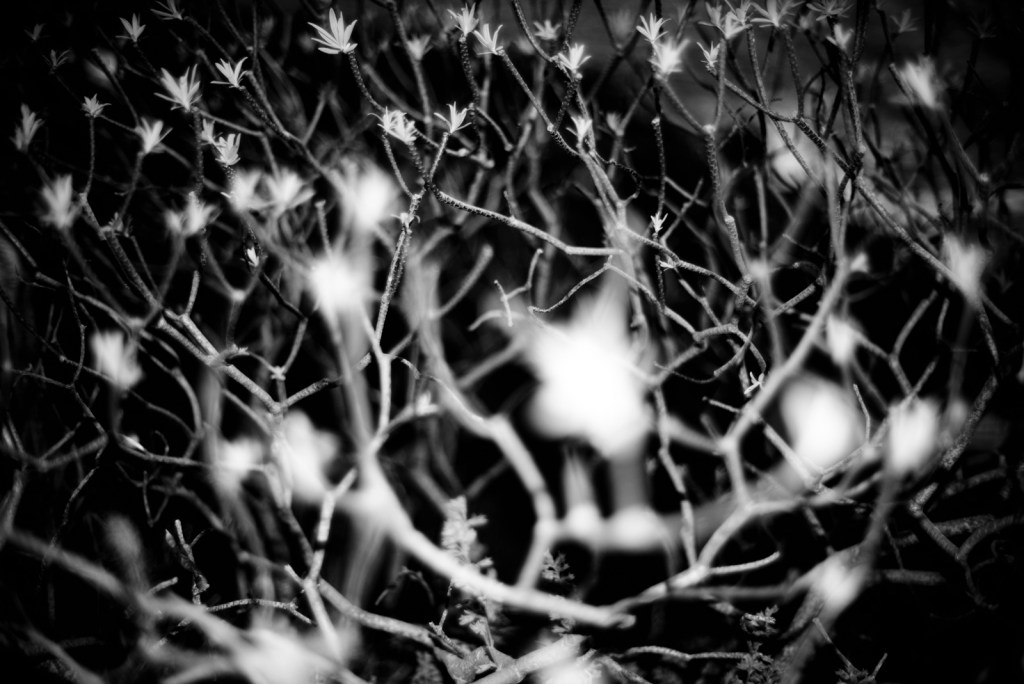

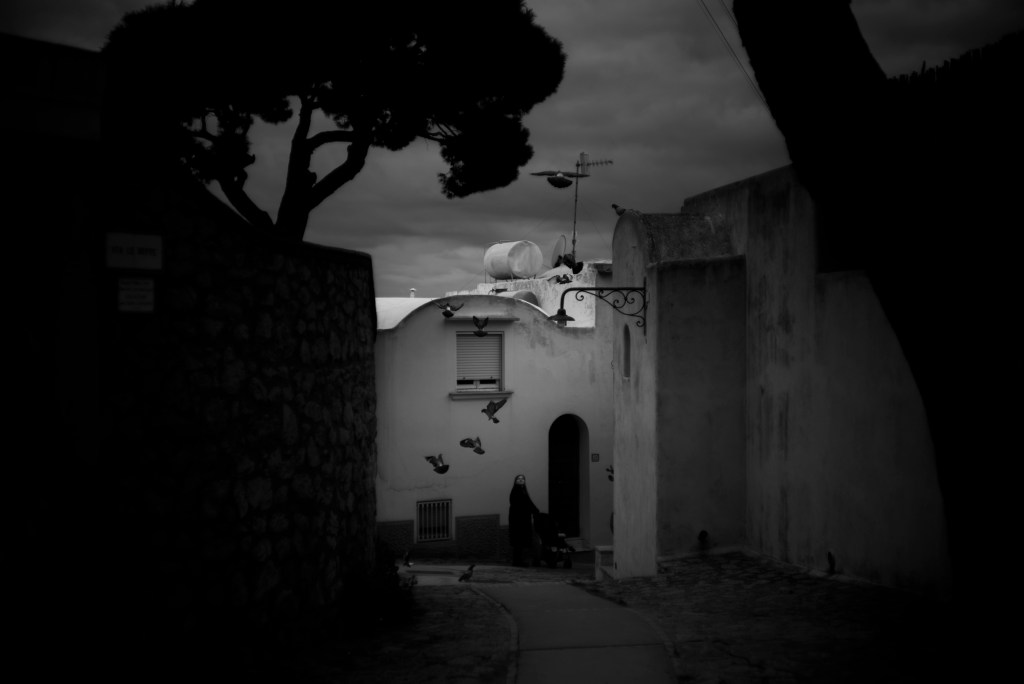
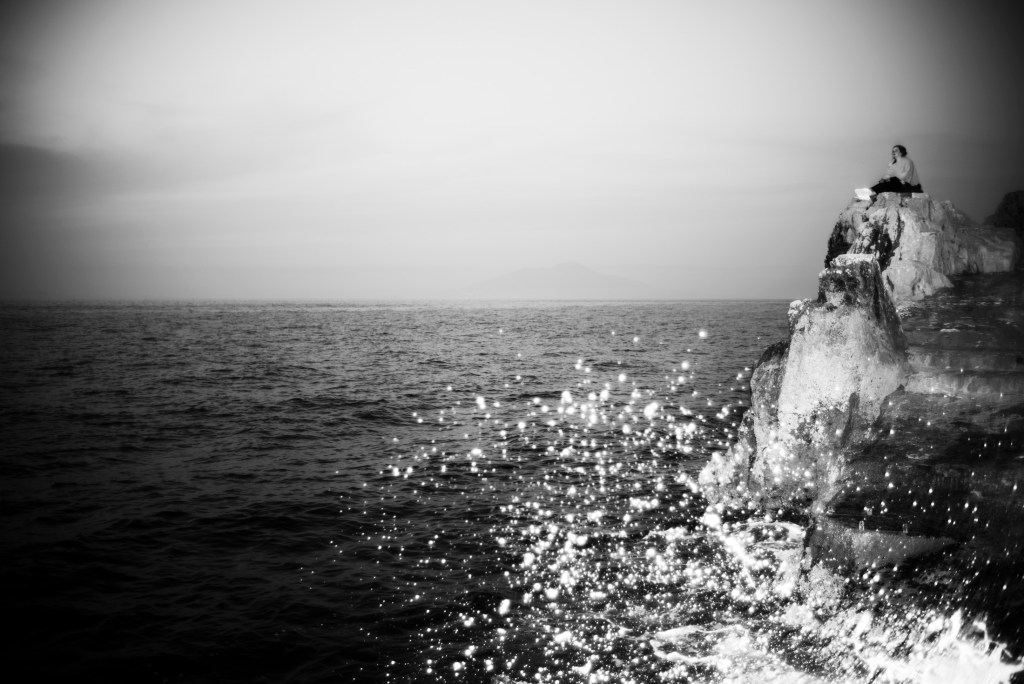

We gave the designer about 30-40 images to work with. It’s quite a lot. Sure, we didn’t use many of them, but it’s best to be on the safe side with this aspect.
Yes, there are sources where you can find visuals online. And plenty of stock photography websites, but will they give you the signature look you’re looking for? May take a lot of scouting to find out.
I highly recommend working with a photographer to do a single photoshoot that’ll capture everything you need. Custom visuals are also original images that you use and optimize to further increase your chances of ranking and standing out on a saturated market.
4. On flawless design
Your other money-spending aspect of a brand will heavily fall in this bucket – design. I’ve seen quite a few cases of people attempting to do the design of a website themselves. I’m sorry to say, but unless you’re a designer, it’s best to delegate this task to a professional.
Work together with a designer on a flawless design. Only they know the ins and outs of all the details, the sizes of buttons, the spacing for the headers, footers, and so on.
If you want to brief a designer, here are aspects of a design brief that you need to consider (and do a proper write up of):
- About the brand and business
- Target audience
- Stylistic preferences (yours)
- Logo preferences
- Branding identity preferences (including colour scheme)
- Website copy (a file you share)
- Bank of visuals to use (a folder you share)
Keeping in mind all these, compile a design brief. I will get a little promotional here, but I use 99designs to scout for designers. Personally, I work with just 1 but you can also launch contests to find a winning design among dozens for your project.
End of promo blurb.
Your designer will likely offer you iterations of a design. You are allowed to request adjustments! We went through 5 logo options and 2 iterations of one logo to get to the perfect outcome. And that’s okay! You want to make sure it’s just right.
Briefing your designer is the most important aspect. Giving some sense of direction will get you the best results. If you can, throw in references as well.
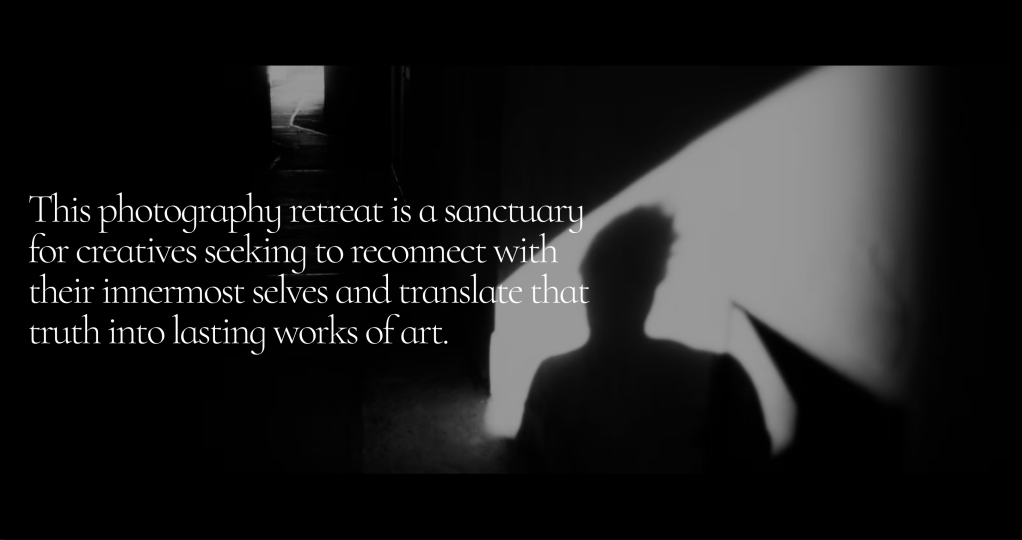
As you go through iterations of your logo design, measure it up to how it’ll look irl. The logo has to look good, blow up huge, and shrunk to something really tiny on a piece of paper or a business card. It also has to look good in black and white as well as color (if you took this route).
Our logo was made to work in black and white, and we loved it that way! One of our requirements was also that the logo looked good overlaid on photos. It’s a very specific requirement, but what an outcome! It gives us versatility to work with it for social media, across our website, and in print.
5. Joining the 3: copy, visuals, and design
Copy paired with the images and the design is like magic. Those are the core elements of your brand. Of course, most of this work is in the court of the designer. But providing all these elements is key.
What you want to do next is choose where you want to build your website. We went with Wix to give us flexibility with certain details. But there’s also WordPress, Squarespace, and so on.
I loved my experience with Wix. It provides thorough site analytics, and generally is a very smooth experience with adjusting elements and settings.
Wix also made it easy to hook up our website to Google Search Console. This will quickly give you a measurement of where your website is positioned in Google. Even though the new website may not have any traffic, Google will rank it somewhere. And it’s great to know what you have to work with and for which keywords.

So congrats! If your brand made it this far, you’re ready to launch.
Once you have your live website, do be sure to adjust the sequences of images to how you like them, review your copy once more (we ended up changing 30% of the original copy), and adjust other details such as links and CTAs.
6. Building up hype or PR magic
I did my homework long before we launched the website, but there is a reason why I put this point last.
Your website likely isn’t going to appear on page 1 of Google right away for your head terms. You need to add some PR magic to the mix.
To promote your brand, you need to research all the sources that are likely to repost you and add a backlink to your website. Sounds easy in theory, but you have to be ready to whip your wallet out here as well.
It is rare that authority websites give backlinks for free (for they know the value of their traffic). You need to pay in order to get those, but the more backlinks you get, quality backlinks that is, the more you can improve your organic reach.
On top of that, reaching out to media, blogs, and other online services has to be well targeted. As in, in our niche, it is photography entities and relevant media covering photography that may have the target audience we’re looking for.
This too, is a step that you can delegate to a professional. More or less I know the ins and outs of how it works. It can be as simple as starting a spreadsheet and listing information you know about services that can potentially add a link and promote your site.
Next, reach out to them! Take your chances! Do it for your brand. At the end of the day it can be more than just a brand name – it can be the promise of something much much bigger…
We haven’t gotten to this stage yet, but once we do, look out for a post on “Everything I know about PR magic”!
Discover more from Art + Copy
Subscribe to get the latest posts sent to your email.
 Art + Copy